STADIUM, ‘GYMNASIUM’  AND THE VENUS DE MILO

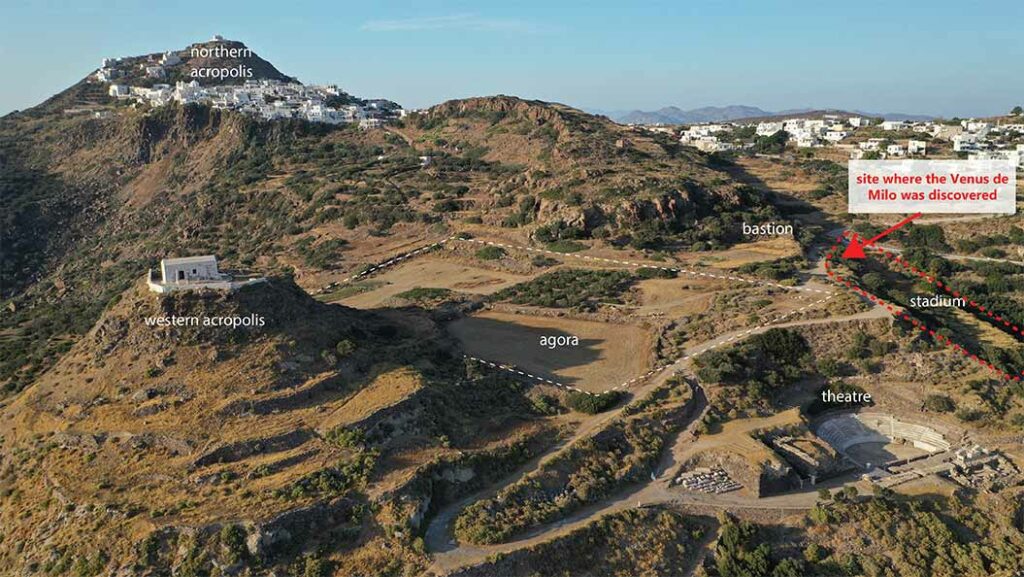
To the south-east of the agora, terraced on the hillside, stood buildings dedicated to leisure and entertainment. In this area, during the excavation of a building traditionally interpreted as a gymnasium, the famous statue of Aphrodite was discovered. Immediately to the south lay the ancient stadium.

To cite this entry:

E. Le Quéré, “Stadium, ‘Gymnasium’ and the Venus de Milo”, Philomilos.org, 2026, online: https://philomilos.org/ancient-sites/stadium-gymnasium/

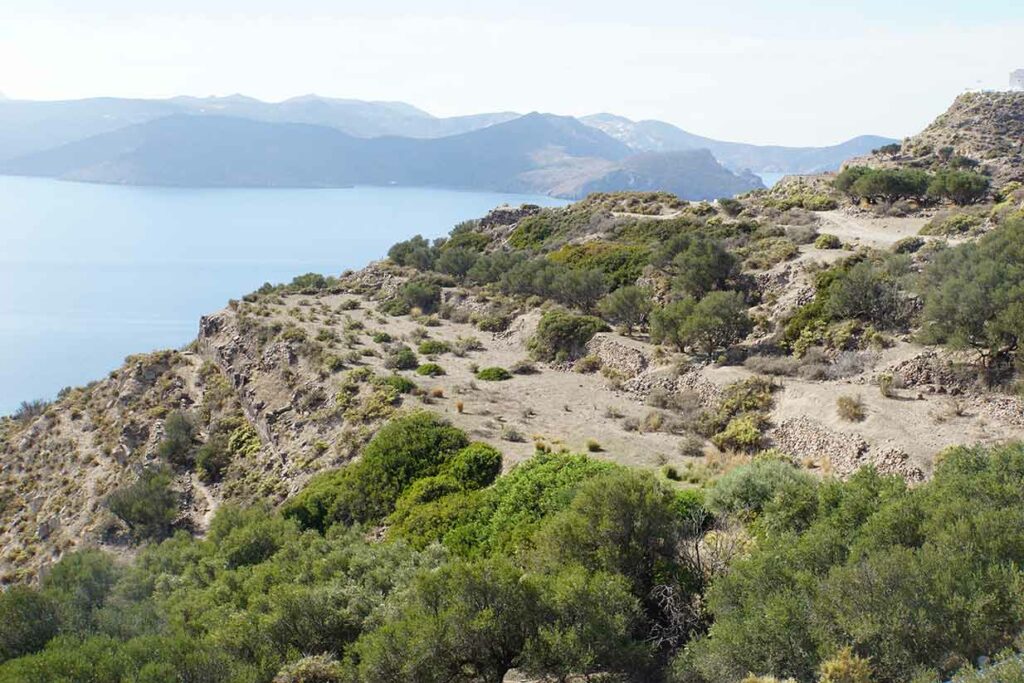
The ancient stadium (view from the east)

(photo: E. Le Quéré © Ministry of Culture – Ephorate of Antiquities of the Cyclades)

Location of the stadium within the city and the site where the Venus de Milo was discovered (view from the south-west)

(© Adobe Stock, with graphic modifications)

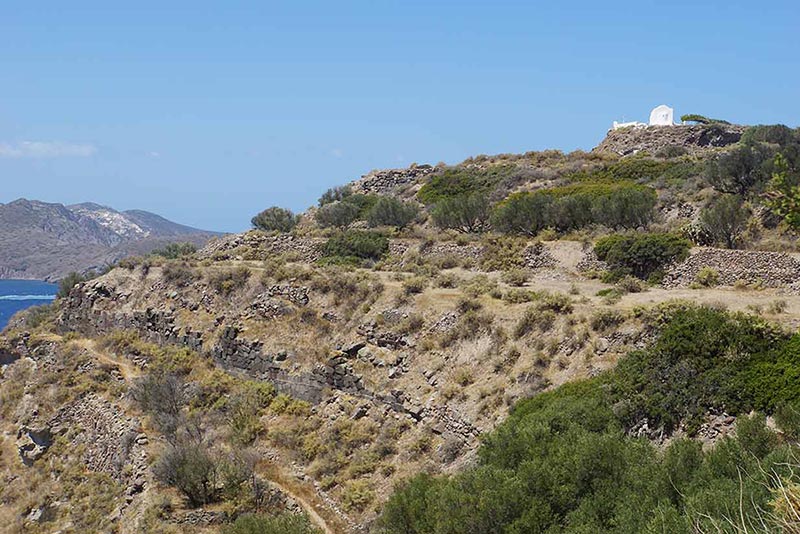
The polygonal retaining wall of the stadium (view from the east)

(photo: E. Le Quéré © Ministry of Culture – Ephorate of Antiquities of the Cyclades)

The stadium


The stadium extended for more than 150 m in length (the exact measurement is unknown as it has never been excavated). It was characterised by an impressive polygonal retaining wall and featured tiered seating on its northern side.

The gymnasium,

site where the Venus

de Milo was discovered


Immediately south of the “East Gate” and north-east of the stadium, the remains of a building traditionally interpreted as a gymnasium were unearthed in 1820; it was here that, among other finds, the famous Venus de Milo was discovered.

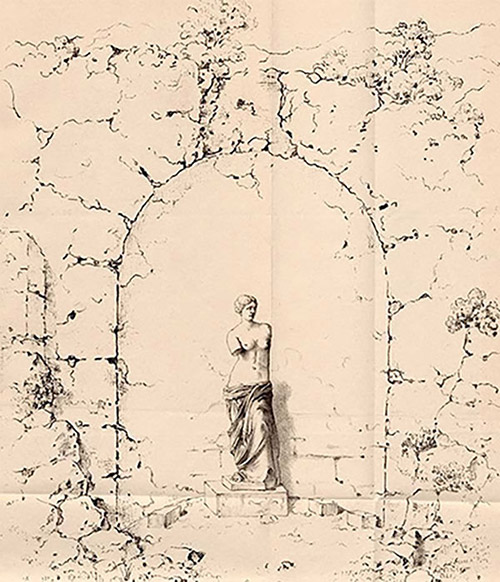
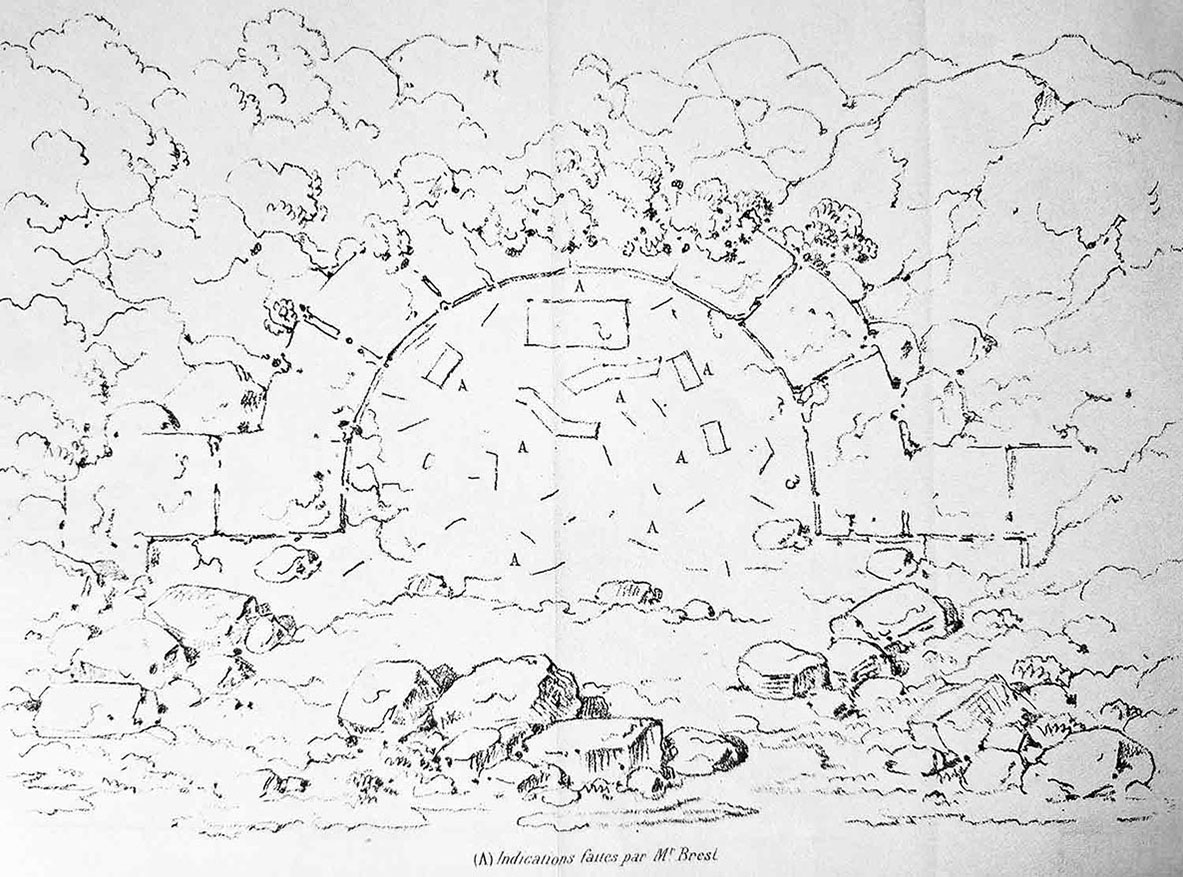
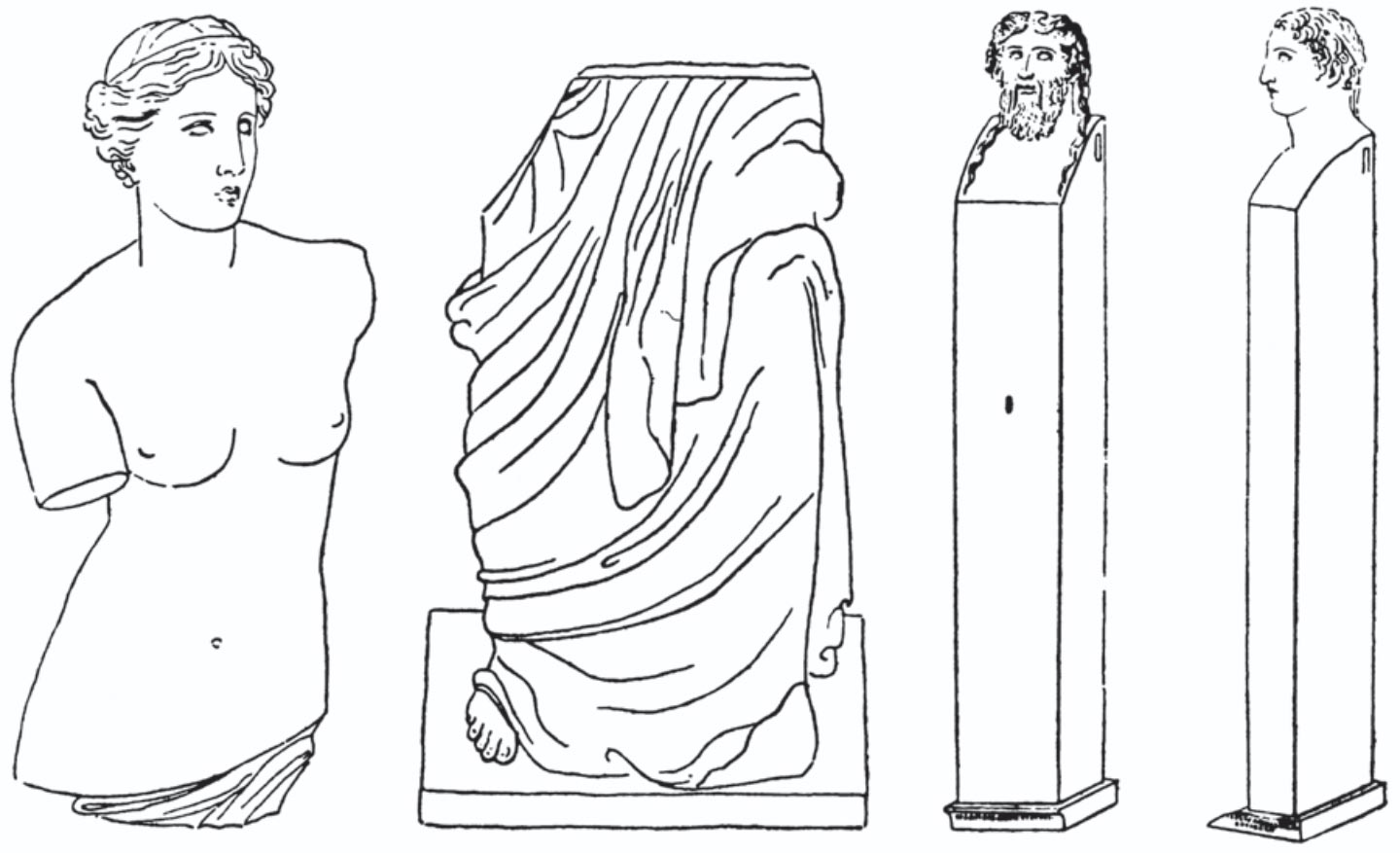
Excavations should, however, be carried out in this area to determine the exact nature of the building that housed the world-famous statue and its context. The discoverers mention a sort of “niche” in which, in addition to the statue of Aphrodite, a marble head of Asclepius (now in the British Museum), three Herms (now in the Louvre), and three inscriptions were found, one of which is thought to have surmounted the entrance to the “niche”.

In the absence of excavations, it is still difficult to determine whether this “niche” might have corresponded to an exedra, perhaps in a gymnasium, intended for the display of the statues, or whether these fragments of marble statues had been gathered together in Late Antiquity by lime burners to be turned into lime, much like the Late Antique lime kilns discovered on the site of the ancient theatre or in the ancient harbour

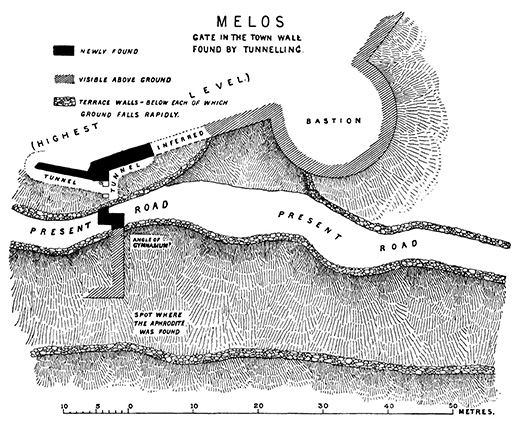
Plan of the excavations carried out in 1895

(© Bosanquet 1896, p. 79)

Sketch of the findspot of the Venus de Milo, based on the description by Louis Brest

(© Doussault 1877)

Doussault-Discoveries

Sketch of the discoveries, based on the description by Louis Brest

(© Doussault 1877)

previous arrow
next arrow

Further reading

Aicart 1874 : J. Aicart, La Vénus de Milo : recherches sur l’histoire de la découverte, d’après des documents inédits, Paris, 1874.

Cherry, Sparkes 1982: J. F. Cherry, B. A. Sparkes, “A Note on the Topography of the Ancient Settlement of Melos”, in C. Renfrew, M. Wagstaff (éd.), An Island Polity: the Archaeology of Exploitation in Melos, Cambridge, Cambridge UP, 1982, p. 53‑57.

Doussault 1877: Ch. Doussaul, La Vénus de Milo : documents inédits, Paris, 1877.

Kousser 2005: R. Kousser, “Creating the Past: The Vénus de Milo and the Hellenistic Reception of Classical Greece”, American Journal of Archaeology, 109.2, 2005, p. 227-250.

Touze 2023: V. Touze, “Nouvelles données et perspectives sur la découverte et l’acquisition de la Vénus de Milo par la France”, Revue archéologique, 75.1, 2023, p. 89‑119.